Facial Treatments Guide: 40 Types of Facials Explained
The facial we offer in Marylebone
3D HydrO2 Facial: 30 minutes £79 · 60 minutes £119 · 90 minutes £169. View the HydrO2 treatment page.
Dermalux LED Light Therapy: this is a separate light-based skin treatment rather than a facial. It can be booked independently where suitable. View LED light therapy or see the current prices page.
These are the only prices quoted on this guide and they come from our current prices page. A £30 booking deposit secures your in-person consultation. It is fully redeemable against treatment and refundable after you attend if you decide not to proceed. Please give at least 72 hours' notice if you need to cancel or reschedule. A no-show loses the £30 deposit and a new £30 deposit is required to rebook. If you arrive late, the session may need to be shortened so later appointments are not delayed.
Reviewed and updated 19 September 2026
Facial treatments range from simple cleansing and hydration to device-based procedures. This guide explains common facial categories so you can understand the differences. It is an educational comparison, not a service menu: the facial treatment offered at 3D Lipo London is the 3D HydrO2 Facial. Other treatment types are explained so you can compare terminology, likely downtime and suitability before choosing a provider.
Important: this is a comparison guide, not a menu of clinic services
Some treatments below—such as injectable, blood-based, laser, peel, microneedling or exosome procedures—can involve materially different risks and professional requirements from a standard facial. They are included so readers understand the terminology, not because 3D Lipo London offers them. Our current services and prices are the ones shown on the Prices page.
1. Classic Facial
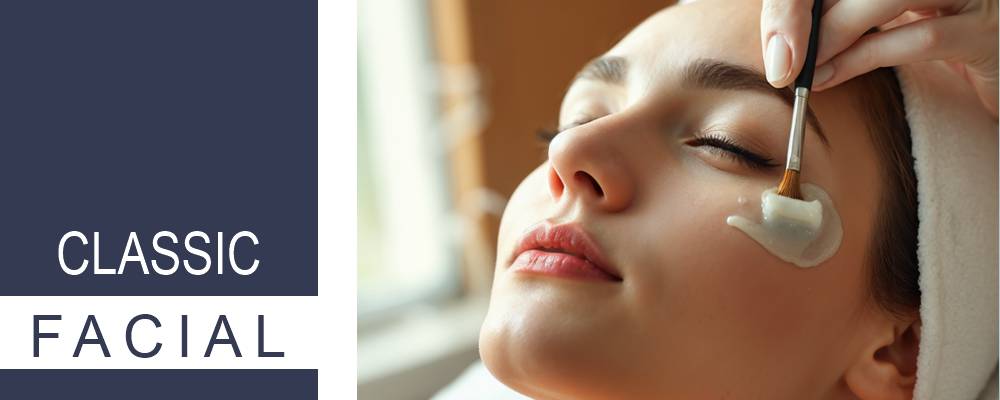
A classic facial is a general maintenance treatment that usually combines cleansing, exfoliation, a mask and moisturising. Some providers also include steam or manual extractions. The exact products and intensity should be chosen for the skin rather than applied as a fixed routine to everyone.
2. Hydrating Facial
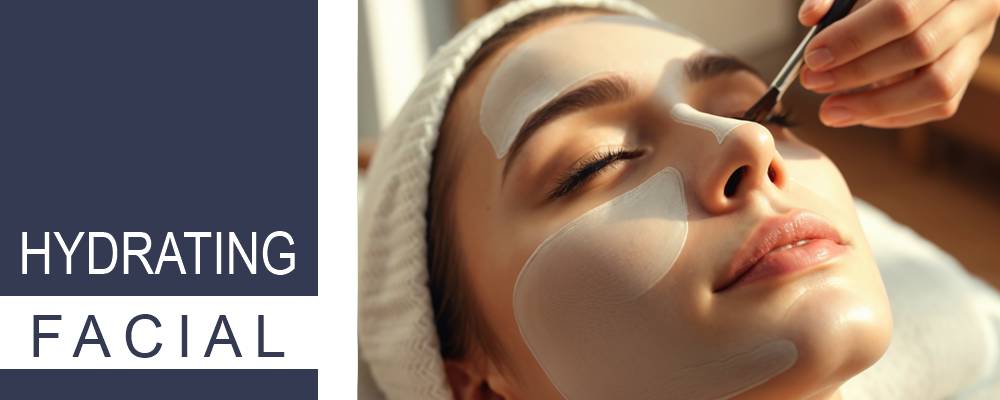
A hydrating facial focuses on restoring water and comfort to dry or dehydrated skin, usually with humectants, emollients, masks or serums. It can leave the skin feeling softer and looking plumper, although the effect and duration depend on the products used and the client’s skin condition.
3. Anti-Aging Facial
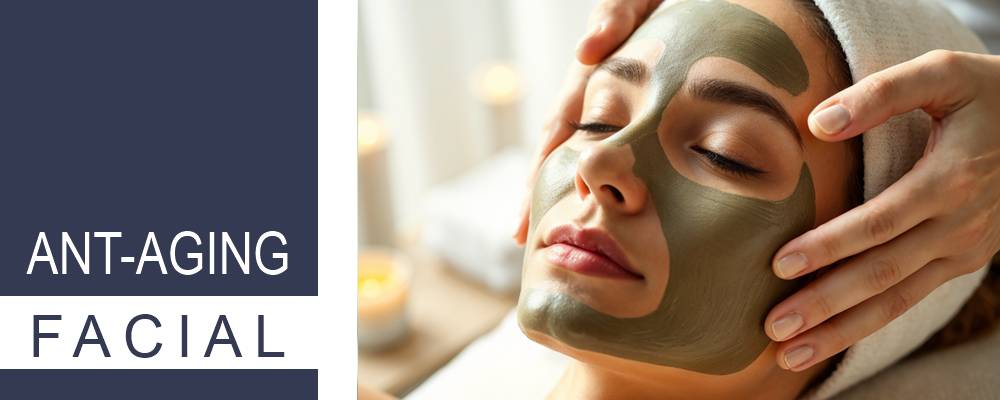
“Anti-ageing facial” is a broad marketing term rather than one single procedure. Depending on the provider it may combine exfoliation, hydrating products, massage, peptides, antioxidants or device-based steps. Claims and downtime vary, so it is worth asking exactly which technologies and products are included.
4. Acne Facial
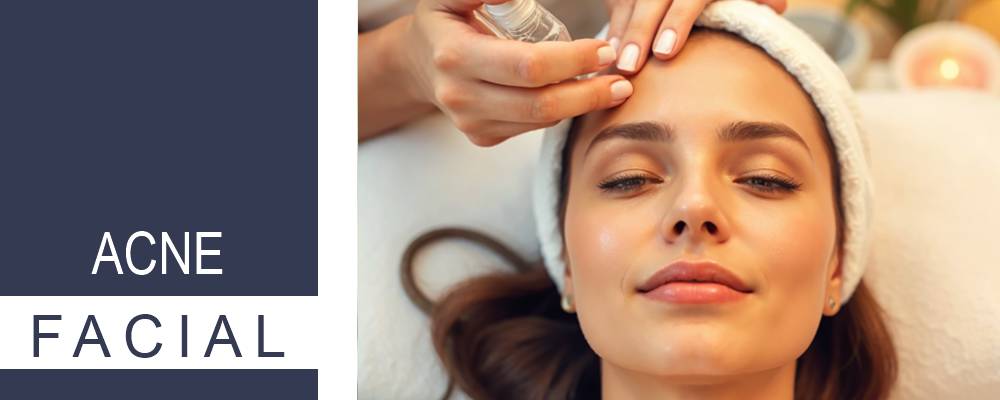
An acne-focused facial usually centres on gentle cleansing, exfoliation and management of congestion; some protocols include carefully performed extractions. Persistent, inflammatory, cystic or scarring acne may need medical assessment, so a cosmetic facial should not be presented as a substitute for appropriate medical care.
5. Brightening Facial
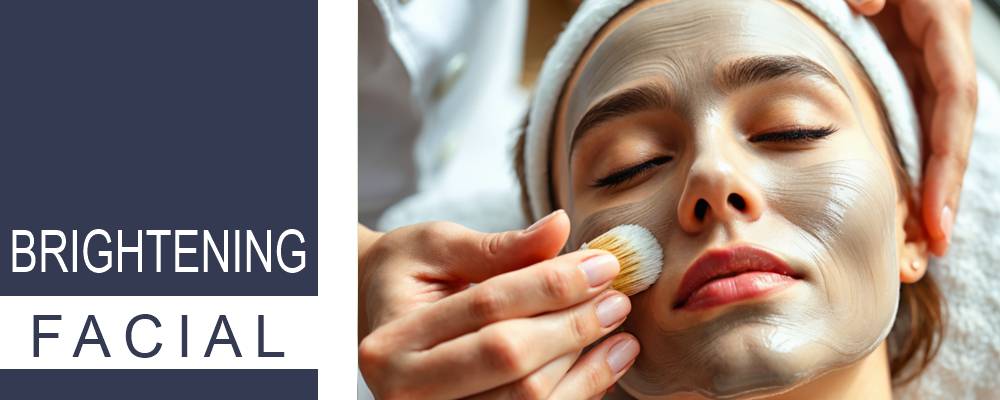
A brightening facial is designed to improve the appearance of dull or uneven-looking skin. Protocols may use exfoliation and ingredients such as vitamin C, niacinamide or other cosmetic brightening products. Pigmentation has many causes, so persistent or changing patches should be assessed rather than treated on appearance alone.
6. Oxygen Facial
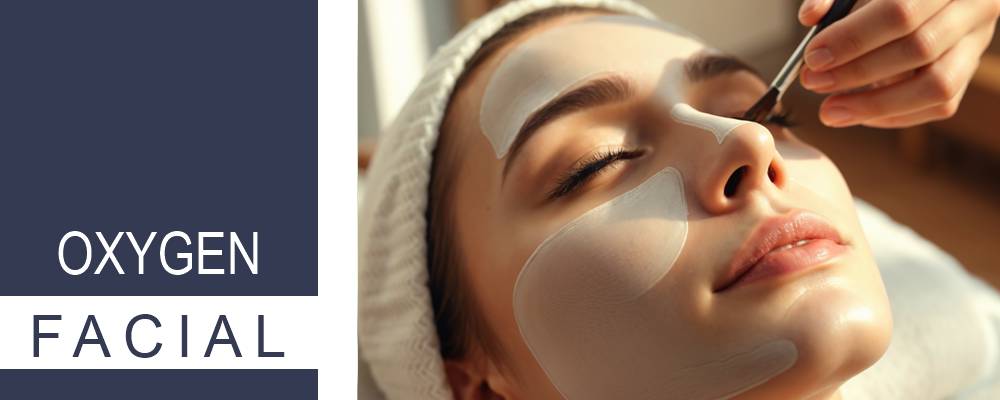
An oxygen facial typically uses an oxygen-delivery device alongside hydrating or cosmetic serums. Providers often position it as a low-downtime treatment for a fresher-looking finish. Devices and protocols vary considerably, so results should be described realistically rather than as guaranteed or permanent.
7. Chemical Peel Facial
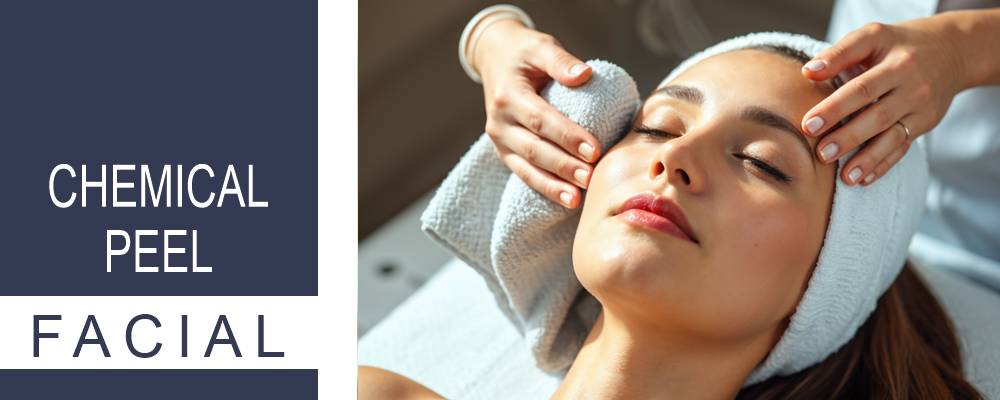
A chemical peel uses an acidic solution to create controlled exfoliation. Superficial, medium and deeper peels differ greatly in strength, downtime and risk. The product, concentration, skin type and practitioner experience all matter, and stronger peels require a more cautious assessment and aftercare plan.
8. Microdermabrasion Facial
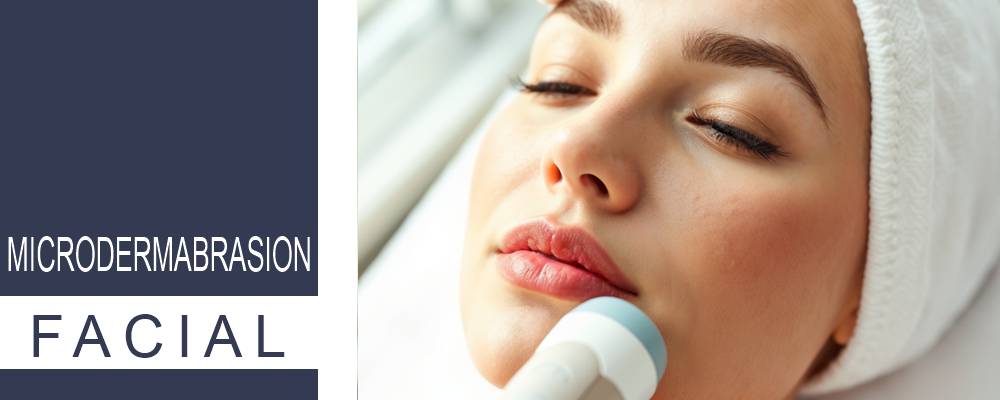
Microdermabrasion is a superficial mechanical exfoliation treatment. Systems commonly use a diamond tip or fine crystals with suction to remove part of the outermost dead-cell layer. It can temporarily smooth rough-feeling skin, but it is not appropriate for every skin condition and may irritate reactive skin.
9. Dermaplaning Facial
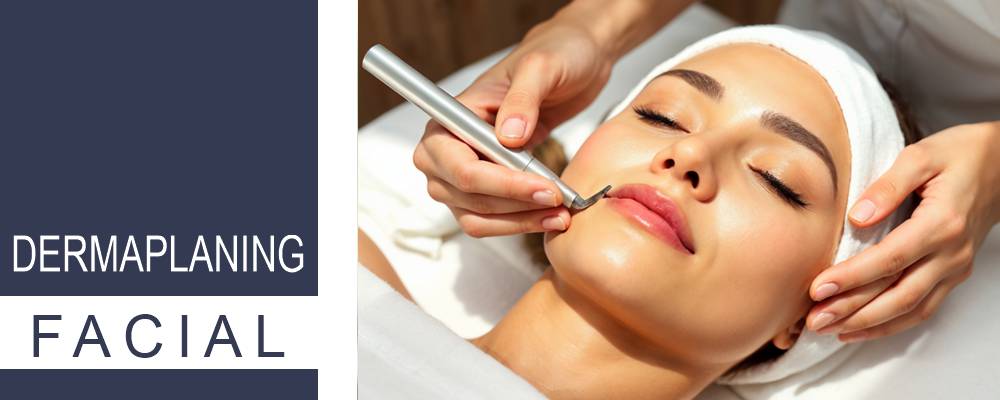
Dermaplaning uses a sterile blade to remove superficial dead skin cells and fine vellus hair from the face. It is primarily an exfoliation and surface-smoothing treatment. Technique and hygiene are important, and it should be avoided where the skin is actively inflamed, infected or otherwise unsuitable.
10. Laser Facial (Laser Resurfacing)
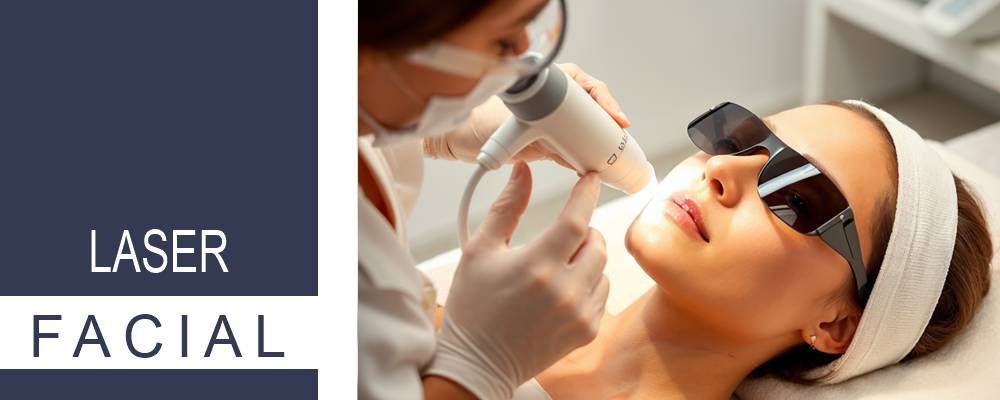
Laser resurfacing uses controlled laser energy to treat the skin. Ablative and non-ablative systems work differently and have very different recovery profiles, indications and risks. This is not the same as laser hair removal, and anyone considering resurfacing should check the exact device and practitioner credentials.
11. 3D HydrO2 Facial
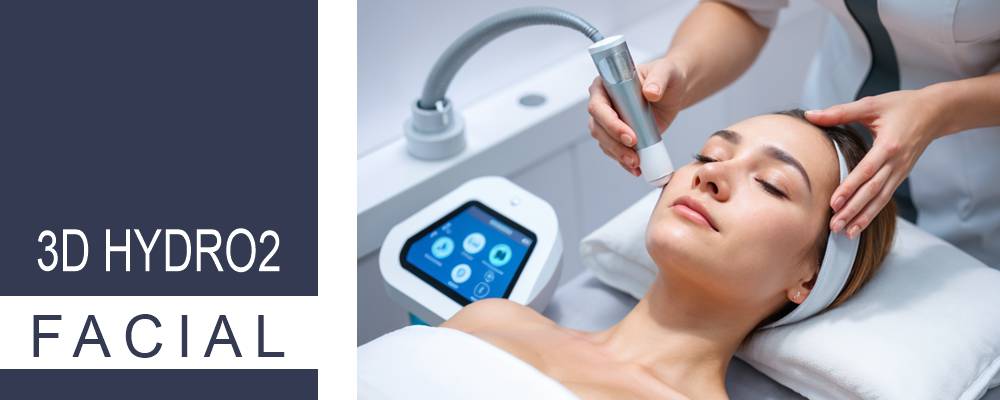
The 3D HydrO2 Facial is the multi-technology facial offered at 3D Lipo London. 3D Aesthetics describes the platform as 7-in-1, with Hydro Peel, Deep Cleanse, Oxygenation, Skin Lifting, Hydration, Radio Frequency Skin Tightening and Cryo Facial technologies. The practitioner selects stages according to the client’s skin concerns and suitability.
See the main 3D HydrO2 Facial London page for current clinic prices, treatment lengths, suitability and booking.
12. LED Light Therapy Facial
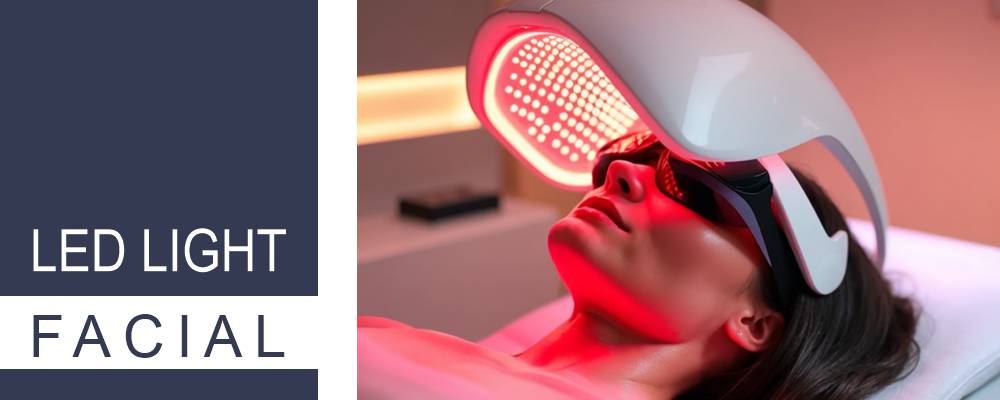
LED light therapy exposes the skin to selected wavelengths of visible or near-infrared light. Different devices use different wavelengths, energy levels and treatment protocols. At 3D Lipo London, Dermalux LED is offered as a separate treatment; it should not be confused with an automatic stage of every HydrO2 facial.
See Dermalux LED Light Therapy London for the technology used at our Marylebone clinic and the current treatment options.
13. Vampire Facial (PRP Therapy)
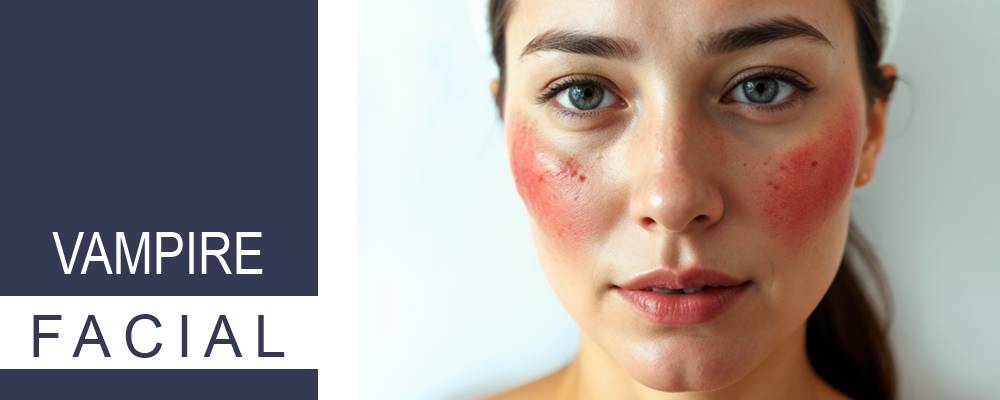
A PRP or “vampire” facial involves collecting the client’s own blood, processing it to concentrate platelets and then using the resulting platelet-rich plasma in a skin procedure. Because it involves blood handling and may involve injections or microneedling, it is very different from a standard salon facial and requires appropriate clinical standards.
14. Gold Facial
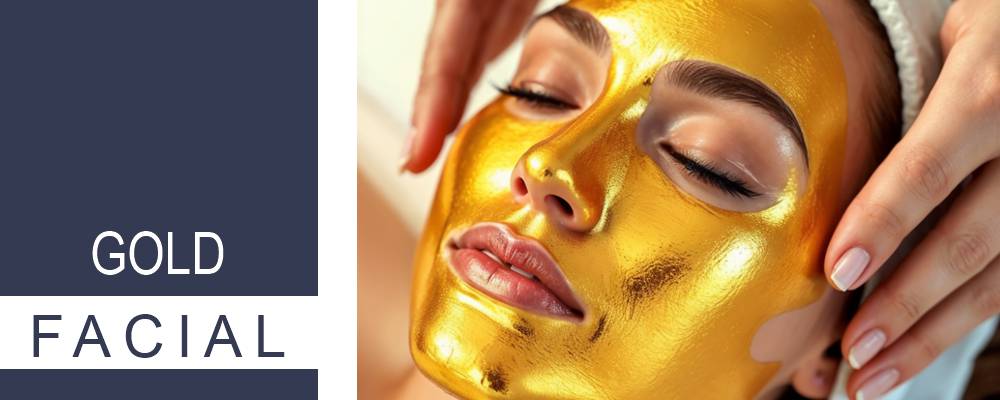
A gold facial is a cosmetic treatment that incorporates gold-containing masks, creams or serums. The luxurious experience and accompanying moisturising products may be the main attraction; claims that gold itself produces major anti-ageing changes should be treated cautiously unless supported by evidence for the specific product and protocol.
15. Collagen Facial
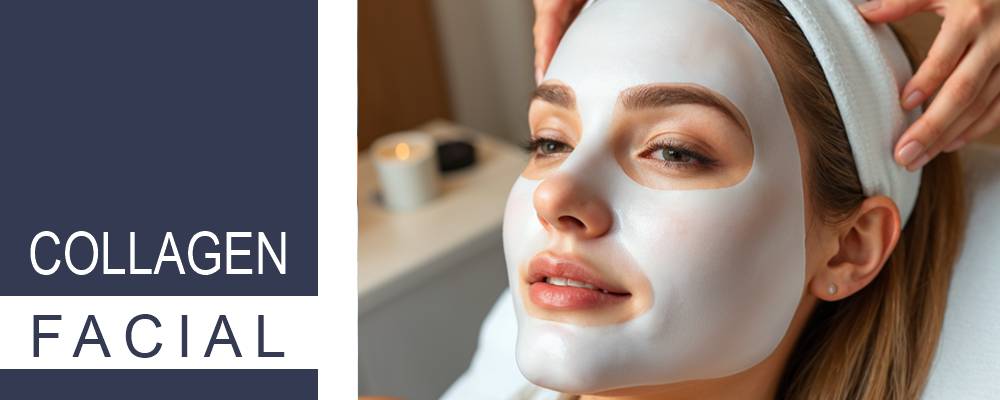
A collagen facial generally uses moisturising products, masks or serums marketed around collagen. Topically applied collagen mainly acts at the skin surface and should not be described as replacing lost dermal collagen. The visible effect is usually linked to hydration, occlusion and the other ingredients in the formulation.
16. Cryotherapy Facial
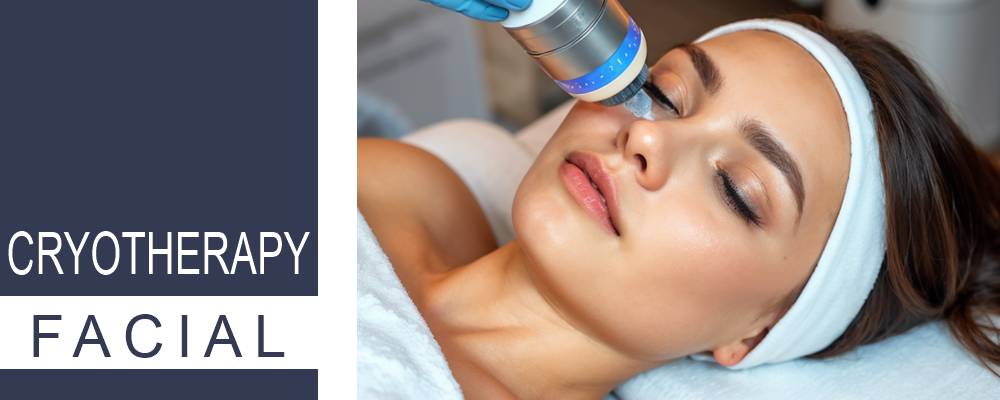
A cryotherapy or cold facial uses controlled cooling as part of a facial protocol. Cooling may temporarily reduce puffiness or redness and can feel soothing after other steps. “Cryotherapy facial” can describe very different devices, so temperatures, exposure time, suitability and expected results should be checked with the provider.
17. Ultrasonic Facial
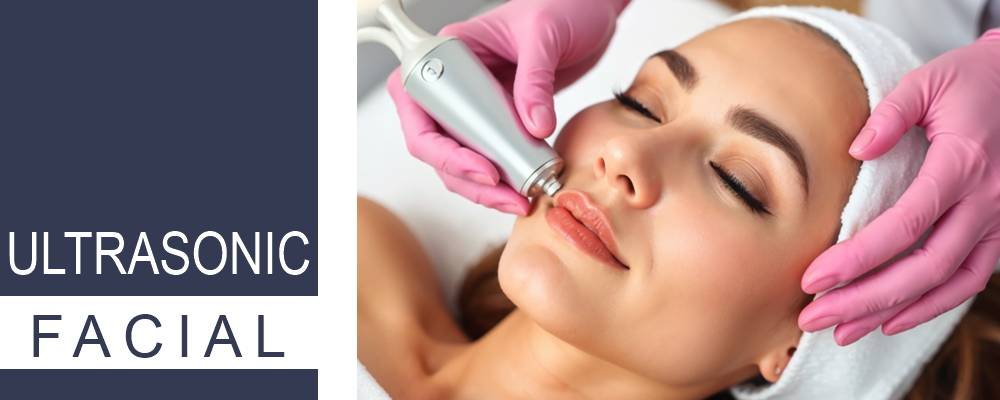
An ultrasonic facial uses ultrasound energy as part of cleansing, exfoliation or product-infusion protocols, depending on the device. It should be described according to the actual equipment being used rather than assuming every ultrasonic facial works in the same way or produces the same result.
18. Galvanic Facial
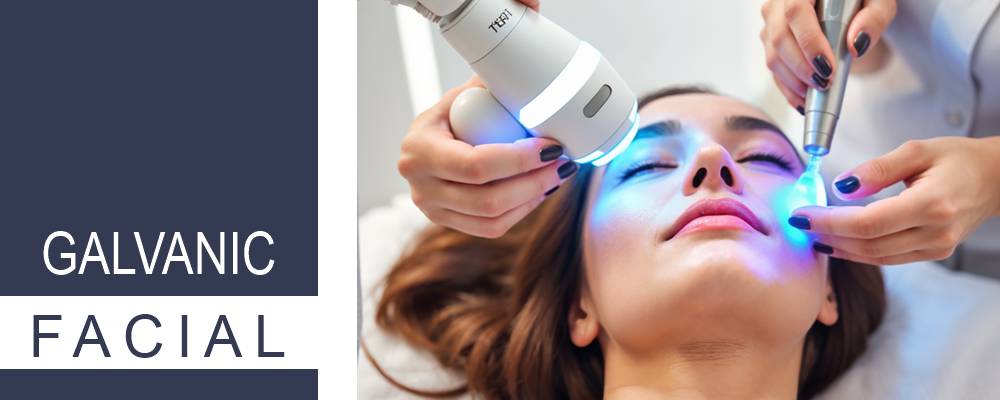
A galvanic facial uses a low-level direct electrical current in conjunction with cosmetic products. In beauty settings it may be used for desincrustation or iontophoresis-style product delivery. Evidence and protocols vary, and clients with relevant medical devices or contraindications need appropriate screening before electrical treatments.
19. Firming Facial
A firming facial is a broad category that may combine massage, masks, active skincare or energy-based devices. Some treatments can create a temporary tighter or more refreshed appearance, while device-based procedures may have different aims. Ask what technology is actually being used rather than relying on the label alone.
20. Lymphatic Drainage Facial
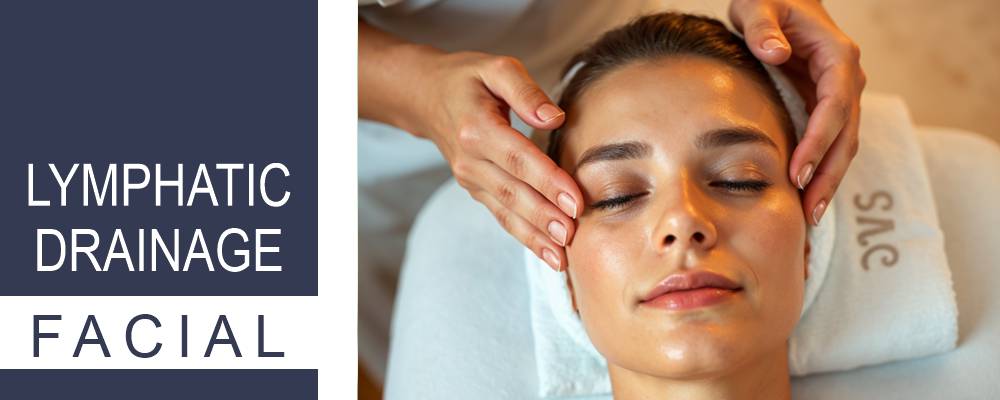
Facial lymphatic-drainage massage uses light, directional movements intended to encourage fluid movement and reduce temporary puffiness. It is a massage technique rather than a fat-loss treatment or a way to “detox” the body. People with relevant medical conditions should check suitability before treatment.
21. Enzyme Facial
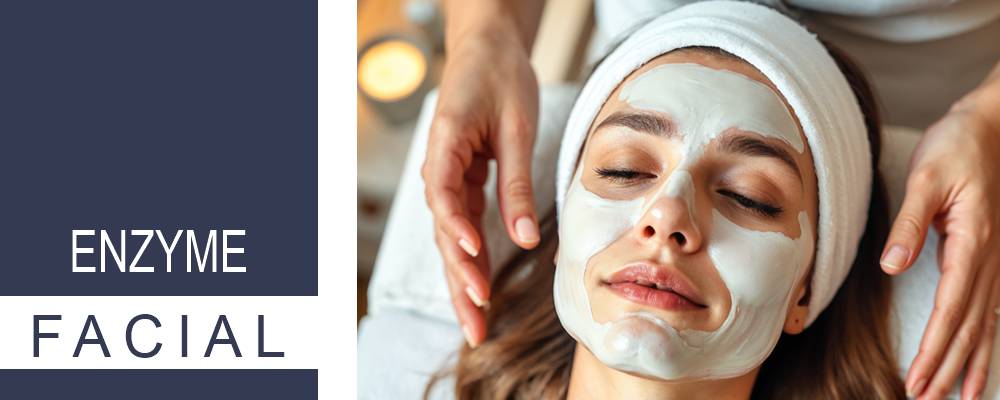
An enzyme facial uses enzymes—often derived from fruits or other biological sources—to loosen and exfoliate surface dead skin cells. It can be gentler than some acid peels, but irritation and allergy are still possible. Product strength and contact time should be chosen for the individual skin.
22. CBD Facial
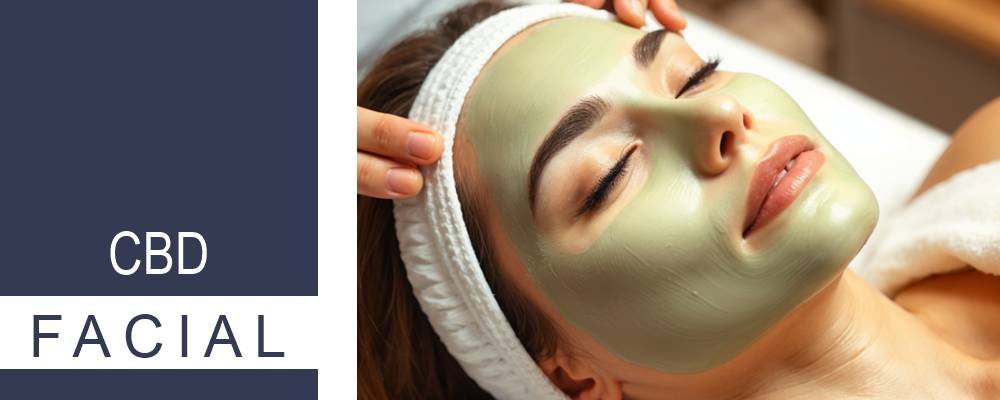
A CBD facial uses topical skincare containing cannabidiol or related hemp-derived ingredients. Formulations vary widely and evidence for specific cosmetic outcomes is still developing. Product quality, ingredient lists and local regulation matter; CBD should not be treated as a cure for acne, rosacea, eczema or other medical skin conditions.
23. LED Acne Facial Treatment
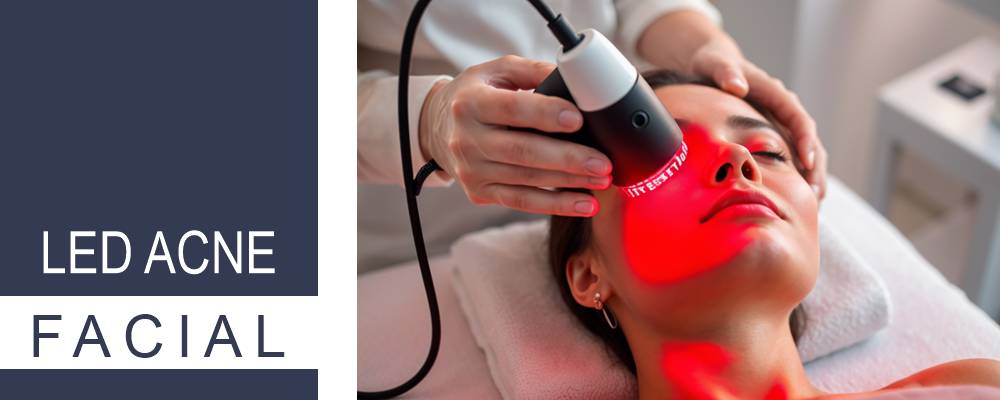
An LED acne facial uses light-based protocols—commonly including blue light, sometimes combined with red or near-infrared wavelengths—within an acne-focused plan. It may be used as a supportive cosmetic treatment, but moderate to severe, painful or scarring acne should be medically assessed rather than managed only with facials.
24. Botox Facial
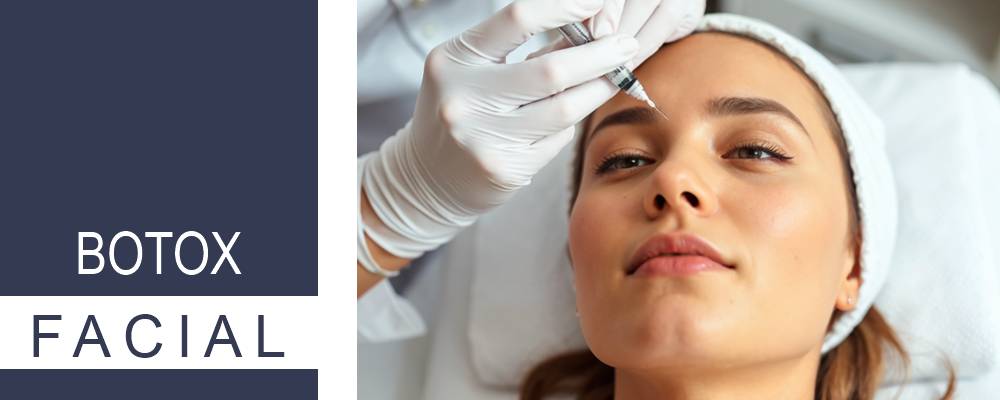
“Botox facial” is an imprecise marketing label. Some providers use it for superficial microinjection techniques involving botulinum toxin, while others use the term more loosely. Botulinum toxin is a prescription-only medicine in the UK, so clients should establish exactly what is being injected and who is prescribing and administering it.
25. 24-Karat Gold Leaf Facial
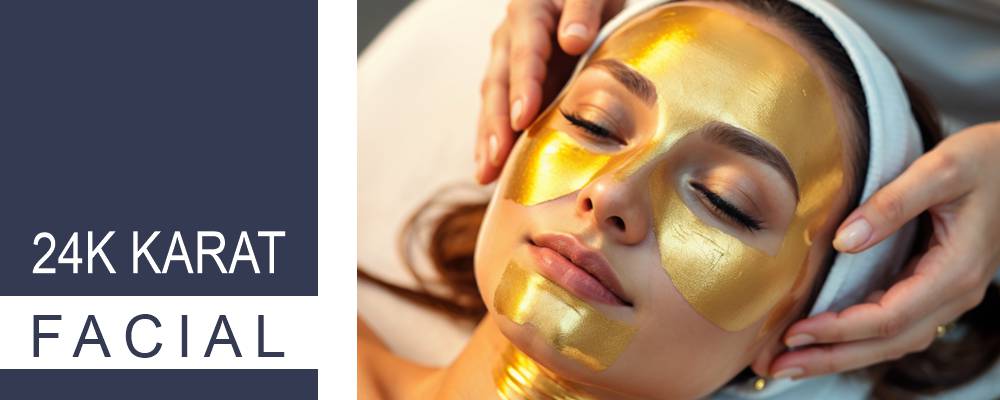
A 24-karat gold-leaf facial applies cosmetic gold leaf or gold-containing products as part of a luxury facial. Any immediate softness or glow may also come from the massage, masks and moisturisers used with it. Strong claims about gold changing collagen or permanently rejuvenating skin should be treated cautiously.
26. Carboxy Facial
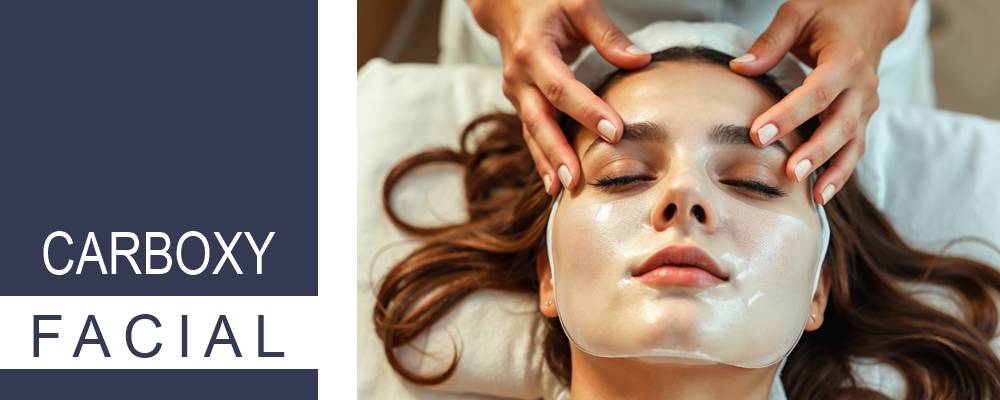
“Carboxy facial” can refer to very different treatments. Some are topical carbon-dioxide-generating masks, while carboxytherapy may involve delivering carbon dioxide into or under the skin. Because the methods and risk levels differ, clients should ask exactly which procedure is meant rather than relying on the name alone.
27. Ayurvedic Facial
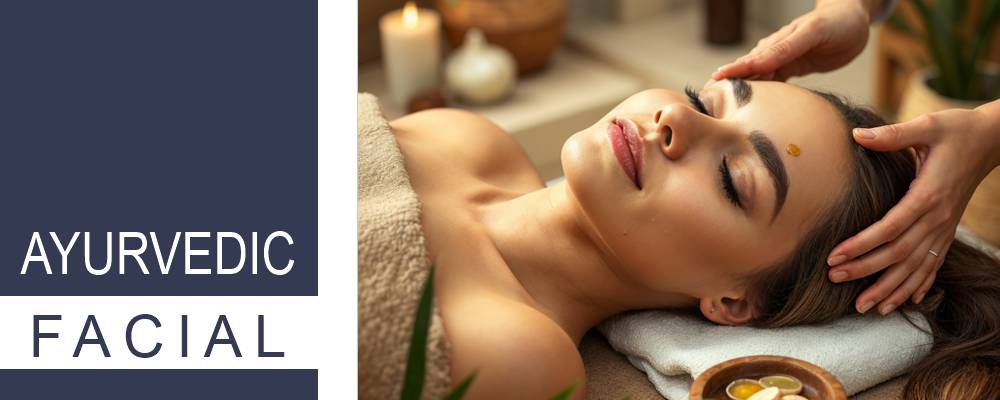
An Ayurvedic facial draws on traditional Ayurvedic approaches and may use massage, oils, herbs or plant-based masks. The experience can be relaxing, but “natural” ingredients can still irritate skin or trigger allergy. Claims about treating disease or changing the body’s constitution should not be assumed from a cosmetic facial.
28. Caviar Facial
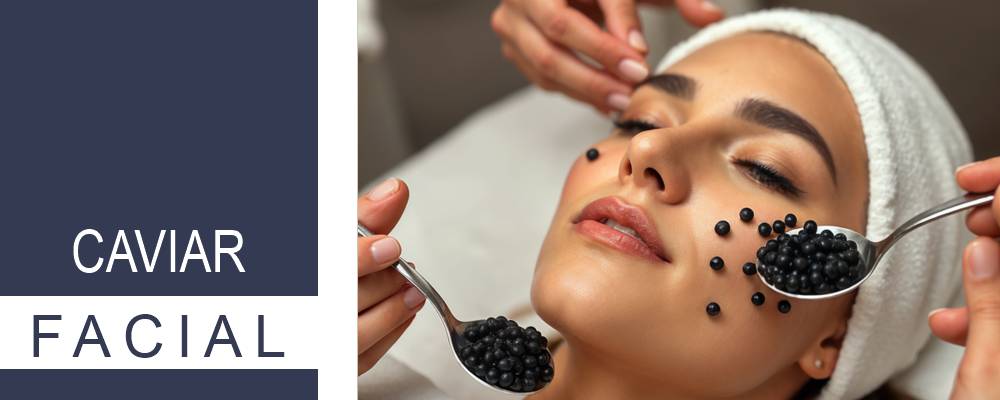
A caviar facial uses skincare containing caviar or marine-derived extracts, usually as part of a moisturising or luxury protocol. These products may contain lipids and other cosmetic ingredients, but the presence of caviar does not by itself prove a collagen-building or anti-ageing effect. The complete formulation matters more than the name.
29. Stem Cell Facial
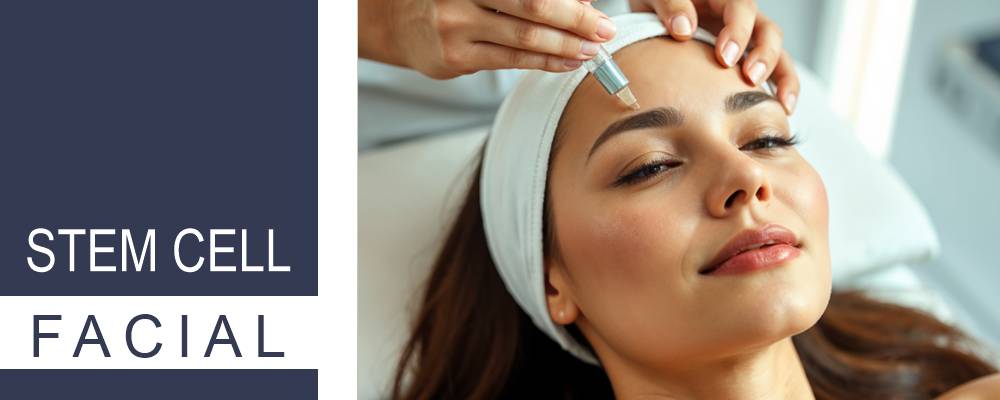
“Stem cell facial” is a marketing term that needs careful clarification. Many cosmetic products described this way contain plant-derived extracts or conditioned ingredients rather than living therapeutic stem cells. Clients should ask what the product actually contains and avoid assuming it provides the effects of medical stem-cell therapy.
30. Fire and Ice Facial
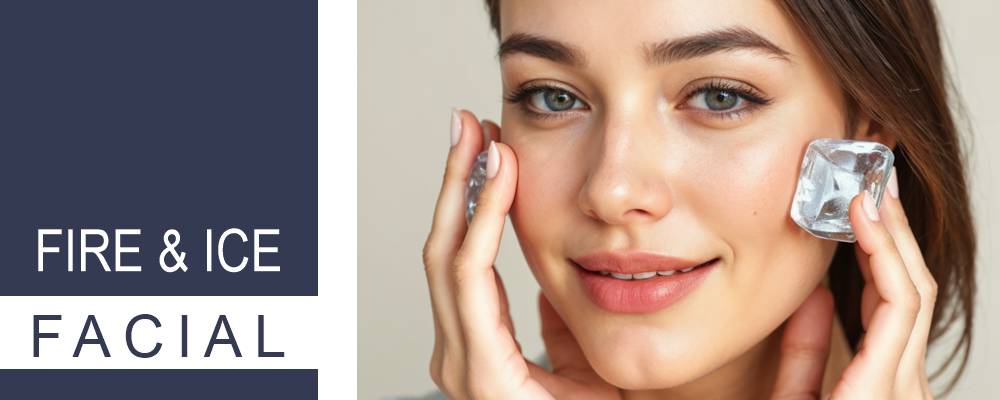
“Fire and Ice facial” is used by different brands for protocols that combine warming or resurfacing steps with cooling or soothing steps. The name does not define one universal treatment. 3D HydrO2 also includes controlled heat/cooling functions within its own system, but that should not be confused with every facial marketed as Fire and Ice.
31. Fractional Laser Facial
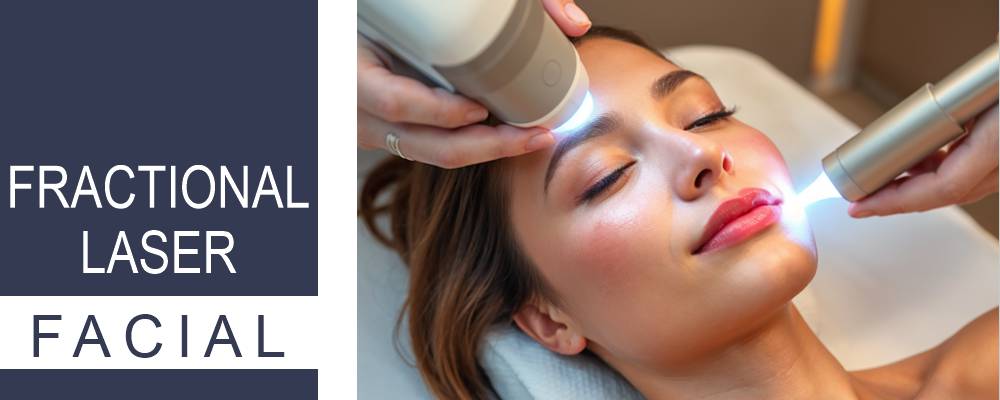
Fractional laser resurfacing creates many microscopic treatment zones while leaving intervening skin untreated. Fractional systems can be ablative or non-ablative, so downtime and risk vary greatly. This is a device-based procedure rather than a conventional facial and requires careful skin assessment and appropriate practitioner training.
32. Magnetic Facial
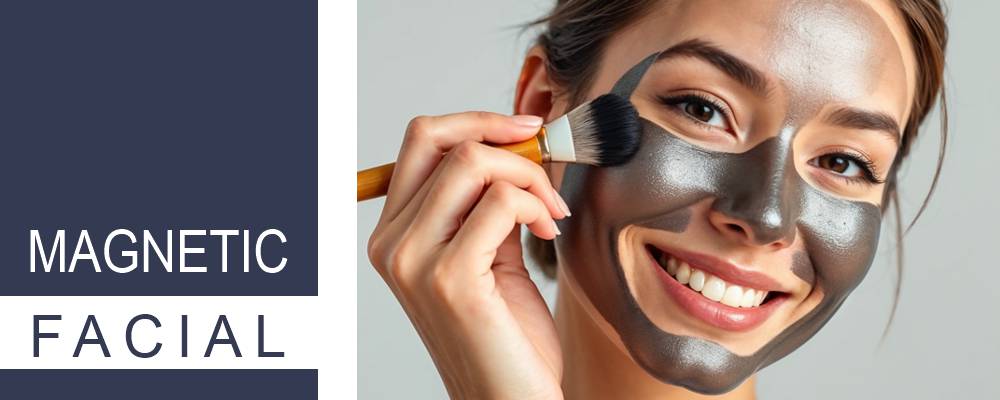
A magnetic facial usually uses a mask or skincare formulation that is removed or manipulated with a magnet. It is primarily a cosmetic or sensory treatment. Claims that magnets draw toxins from the skin or create major biological changes are not established simply by the use of magnetic particles.
33. Radiofrequency Facial
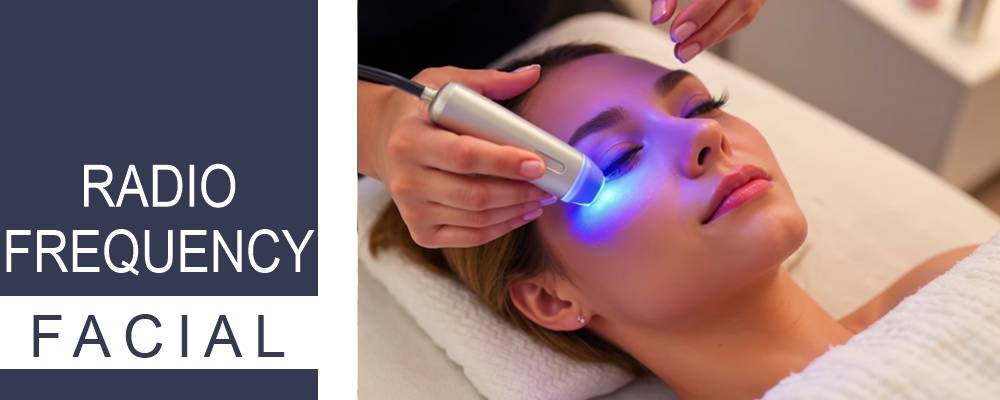
A radiofrequency facial uses RF energy to heat tissue in a controlled way with the aim of improving the appearance of skin laxity. Results, treatment depth and contraindications depend on the device and settings. 3D Lipo London offers RF skin tightening separately, so clients should use the dedicated treatment page for the clinic’s actual protocol.
34. Honey Facial
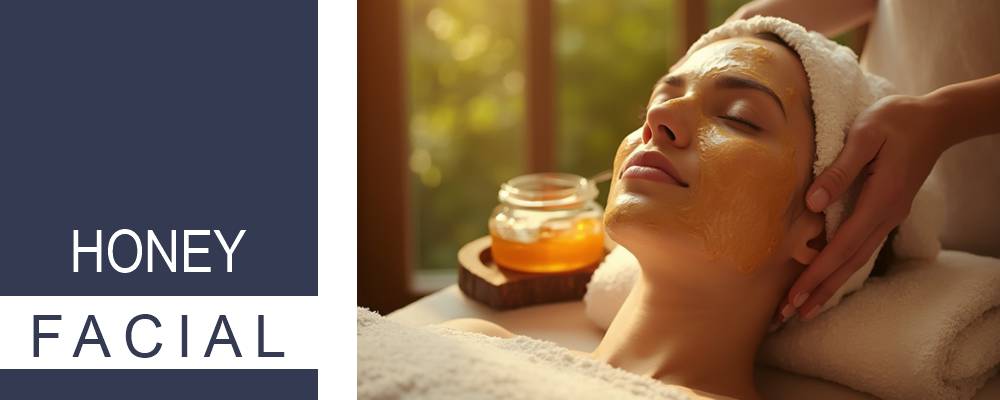
A honey facial uses honey or honey-containing skincare for its texture, humectant properties and cosmetic feel. Some people find honey-based masks soothing, but allergy and irritation are possible. It should not be presented as a substitute for treatment of acne, eczema or other medical skin conditions.
35. Silk Facial
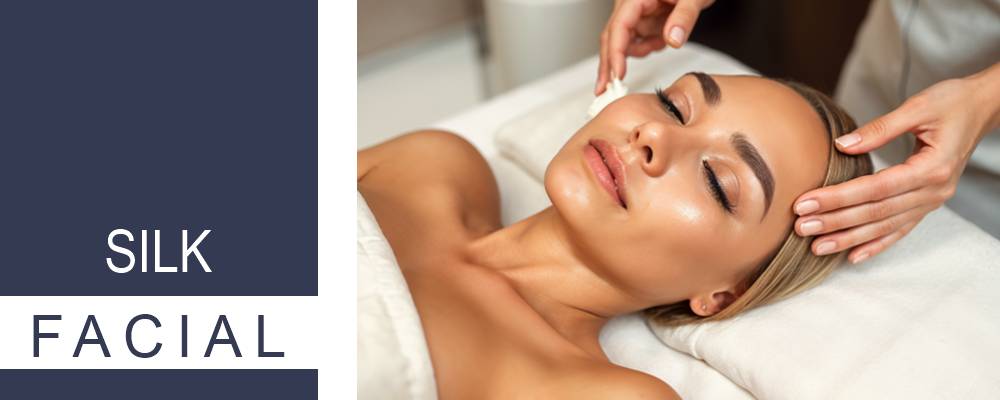
A silk facial uses products containing silk proteins, amino acids or silk-derived cosmetic ingredients. These formulations are generally intended to improve surface feel, hydration or smoothness. The result depends on the whole product formulation; the word “silk” alone does not establish a specific anti-ageing effect.
36. Probiotic Facial
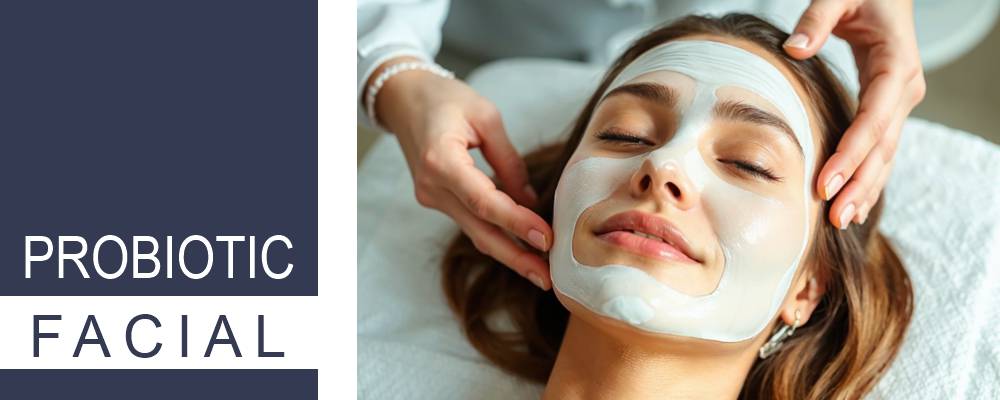
A probiotic facial uses skincare marketed around probiotics, prebiotics, postbiotics or the skin microbiome. This is an evolving area of cosmetic science and products differ substantially. It is better to judge the actual ingredients and evidence for the formulation than assume every “probiotic” facial has the same effect.
37. Charcoal Facial
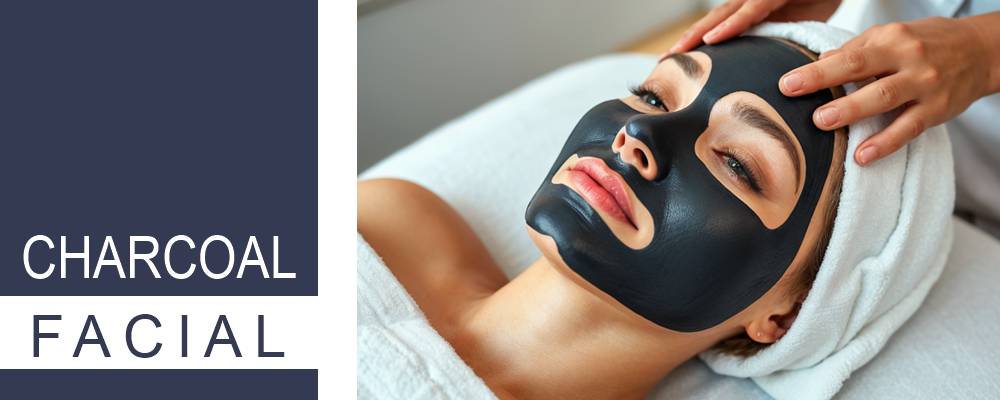
A charcoal facial uses activated charcoal in cleansers, masks or exfoliating products. Charcoal can adsorb substances at the surface, but claims that it “detoxifies” the body through the skin are misleading. Some charcoal products can also be drying, so they may not suit already dry or reactive skin.
38. LED Microneedling Facial
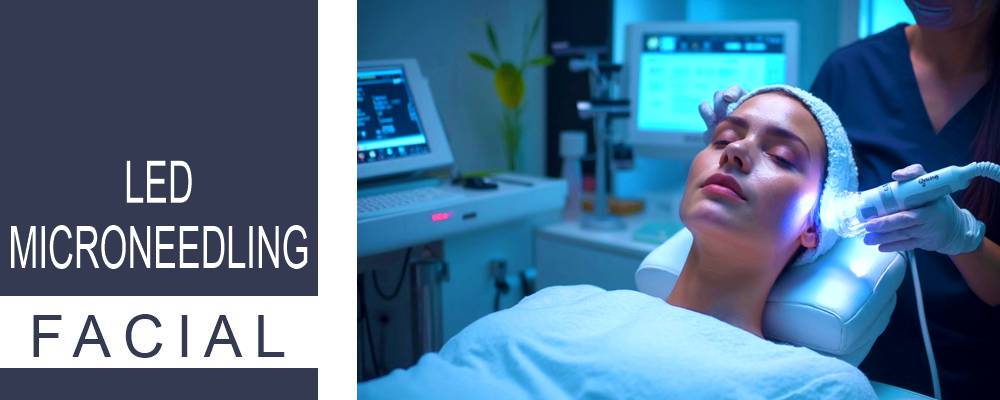
LED microneedling combines microneedling with LED light therapy. Microneedling creates controlled microchannels in the skin, so hygiene, needle depth, device quality and practitioner training matter. The LED component is separate technology; combining two procedures does not automatically make the result better for every client.
39. Herbal Facial
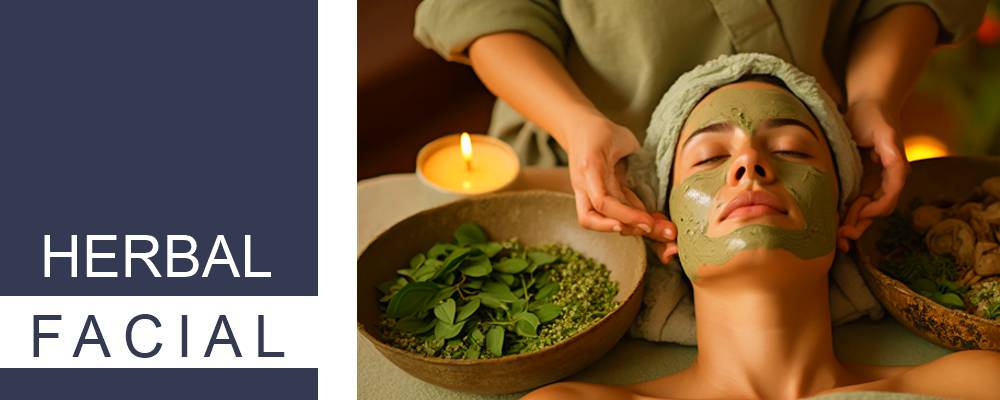
A herbal facial uses plant extracts, botanical oils, powders or masks. The exact formula matters because plant-derived ingredients can be soothing for some people but irritating or allergenic for others. “Herbal” should describe the ingredients, not be used as evidence that a treatment is automatically safer or more effective.
40. Exosome Facial
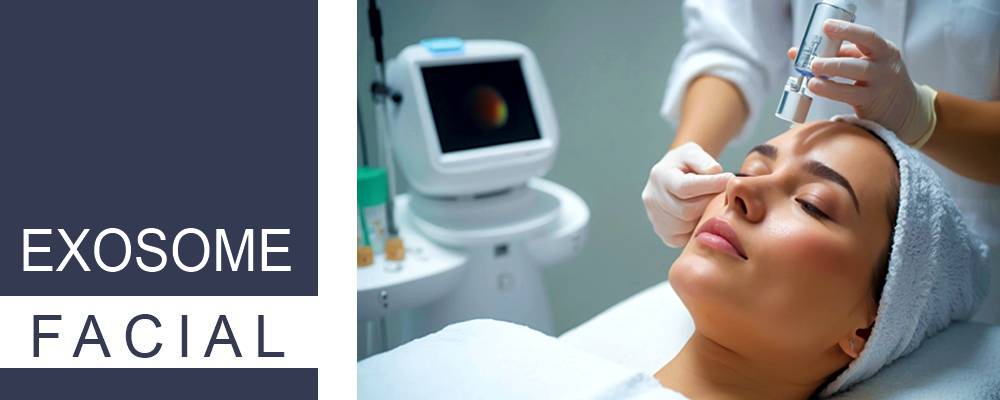
An exosome facial uses products marketed as containing exosomes or exosome-derived material, sometimes alongside microneedling or other procedures. Products, manufacturing standards and regulatory status vary. Clients should ask exactly what is being applied, its intended use and who is providing the procedure rather than assuming all exosome treatments are equivalent.
How to use this facial treatment guide
How to choose a facial for your skin concern
Start with the concern rather than the trend. Dry or dehydrated-looking skin may benefit from a hydration-focused protocol; congested skin may need gentle cleansing and appropriate extraction; sensitive or recently treated skin may need a simpler approach. Persistent acne, changing pigmentation, unexplained redness or another medical skin problem should not be treated as a routine cosmetic facial without appropriate assessment.
What to expect from a professional facial
A professional facial should begin with a consultation and skin assessment. The exact steps then depend on the treatment being used. At 3D Lipo London, the 3D HydrO2 Facial is a seven-technology system that can be tailored into 30-, 60- or 90-minute appointments rather than applying the same protocol to every client.
Preparing for a facial
Tell the practitioner about relevant medication, allergies, sensitivities, recent procedures and active skin problems before treatment. Avoid deliberately irritating or over-exfoliating the skin immediately beforehand, and follow any treatment-specific preparation advice you are given.
Aftercare after a facial
Aftercare depends on the technologies used and how your skin responds. Follow your practitioner’s instructions, use gentle skincare if the skin feels sensitive, avoid picking or aggressive exfoliation, and use appropriate daily sun protection. The 3D HydrO2 manufacturer recommends SPF 30+ after treatment.
How to choose a facial clinic in London
Look for a clinic that clearly states which facial it actually provides, the device or products being used, who performs the treatment, current pricing, realistic limitations and contraindications. A useful consultation should help match the treatment to your skin rather than simply recommending the most expensive option.
Facial treatment FAQs
Which facial does 3D Lipo London offer?
We offer the 3D HydrO2 Facial at our Marylebone clinic. It combines seven available technologies that can be selected according to the client’s skin and treatment length.
Do you offer HydraFacial?
No. We offer the 3D HydrO2 Facial, which is a different system. Both are associated with cleansing and hydration, but HydrO2 is the platform used at 3D Lipo London.
How much is a facial at 3D Lipo London?
Current HydrO2 Facial prices are £79 for 30 minutes, £119 for 60 minutes and £169 for 90 minutes. The prices page contains the latest pricing.
Which facial is suitable for dry or dehydrated-looking skin?
A hydration-focused facial may be appropriate, but suitability depends on the skin assessment. HydrO2 can combine cleansing, hydration and other selected technologies in a tailored protocol.
Can LED light therapy be combined with a facial?
LED light therapy is a separate treatment at our clinic. Whether it should be used alongside another skin treatment depends on your goals, skin response and practitioner assessment.
Is there downtime after a HydrO2 Facial?
Many clients can return to normal activities straight away, but temporary redness or sensitivity can occur. Treatment response varies, so follow the aftercare advice given for your individual session.
Conclusion
Facial treatments have come a long way from the simple masks and massages of the past. With advancements in skincare science, there is now a facial treatment tailored to every skin type, concern, and personal preference. Whether you're looking to hydrate dry skin, combat acne, reduce signs of aging, or simply indulge in some relaxation, the world of facials offers something for everyone. By understanding the various options available, you can make an informed decision on which facial treatment will provide the best results for your unique skincare needs.
Related Articles
3D HydrO2 facial Treatment
20 Benefits of a 3D HydrO2 facial
How to choose the right facial for your skin
TECHNOLOGY WE OFFER


Match the facial to the skin rather than the trend
HydrO2 and other facial treatments can combine cleansing, exfoliation, hydration and additional steps, but the most appropriate protocol depends on the skin assessment and the client’s priorities. Sensitive, reactive or recently treated skin may need a different approach from congested or dehydrated skin.
For clinic-specific treatment lengths and prices, see HydrO2 Facial London and current facial pricing. Results and tolerance vary, so treatment should be tailored rather than identical for every client.